This week is Action for Brain Injury (ABI) Week. Led by the Brain Injury Association, Headway, the week aims to raise awareness of the issues faced by individuals and families affected by brain injury, promote understanding, and encourage support from the wider public, organisations and policymakers.
We will be featuring stories with IPF Members during the week to highlight the often-invisible challenges of brain injury.
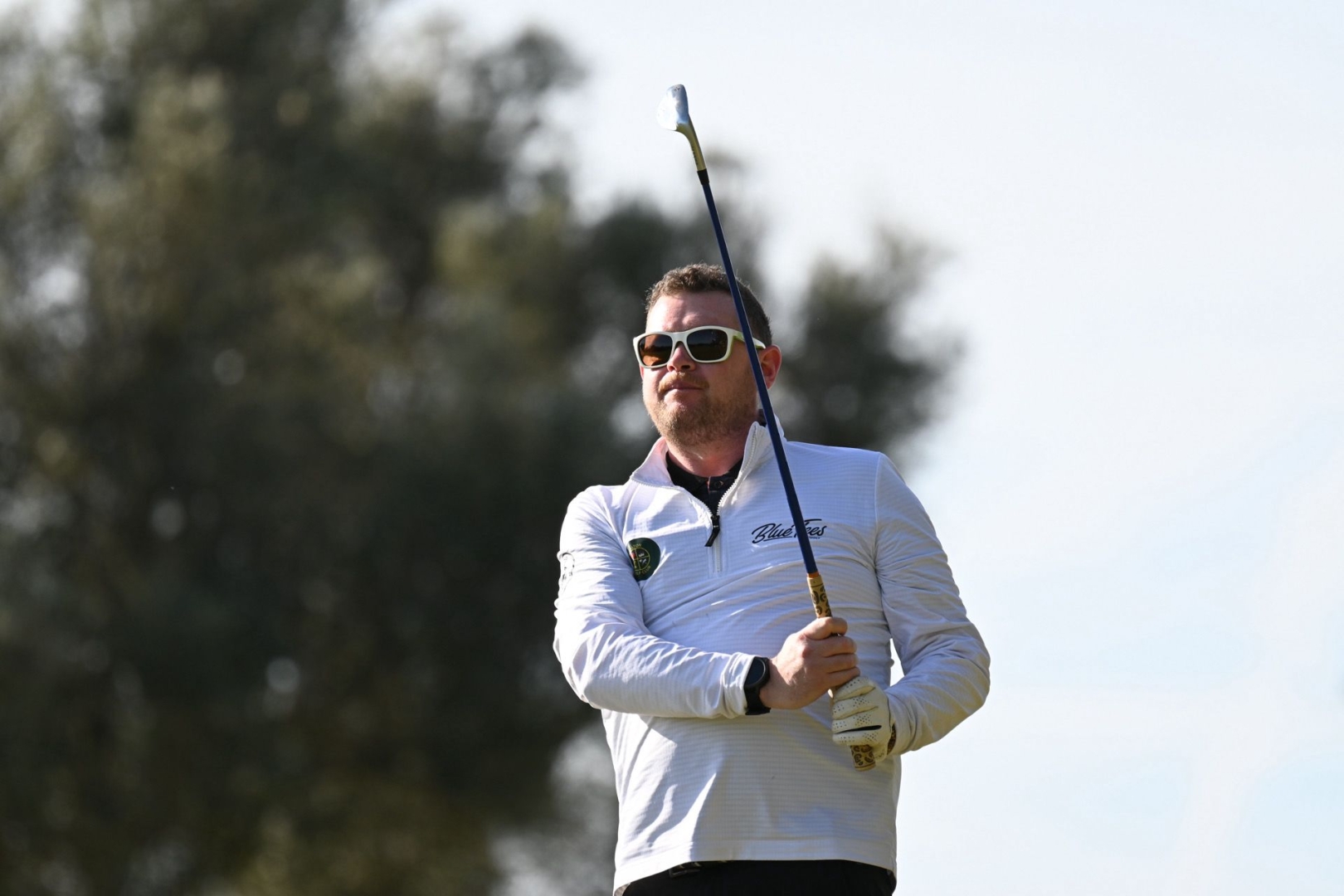
Today we catch up with Mike, who sustained an acute, severe traumatic brain injury (TBI) in 2023 while playing for Cleve RFC in Bristol.
An accident on the pitch resulted in head contact and symptoms typical of a stroke, with Mike experiencing paralysis down the left side of his body and difficulty with speech and swallowing.
Thankfully, Cleve RFC followed all the injury processes in place, getting Mike to hospital by ambulance quickly and reporting the injury to the RFU via the reportable injury event form
This triggered an automatic alert to the RFU Injured Players Foundation who contacted Mike within hours and were able to put additional support measures in place for him and his family.
Three years on, after a long road to recovery which included a lengthy period in hospital and months off work while experiencing extreme fatigue and difficulty with concentration and balance, Mike considers himself fortunate.
“My recovery has been good, and I've been very lucky,” he says. “A lot of that has been down to the support and rehab that came along the way, particularly in the early part following my injury.
“There was a pilot scheme the NHS were running at the time in Bristol where I got more physio than you would traditionally get.
“Through the pilot, I also received support from a neuropsychologist who was incredible in helping me understand what was going on, not just physically but also from a psychological impact and the impact on emotions and brain function.
“It helped me understand how I needed to balance my day in the earlier part of the recovery. Even 12-18 months after I was still learning how to manage my time, energy and focus particularly when I was returning to work.
“When the physio ran out, the RFU Injured Players Foundation was able to fund additional therapy for a decent length of time which also really helped.
“The tiredness still comes quicker and is deeper than it used to be, but on a day-to-day basis I manage that quite well.”
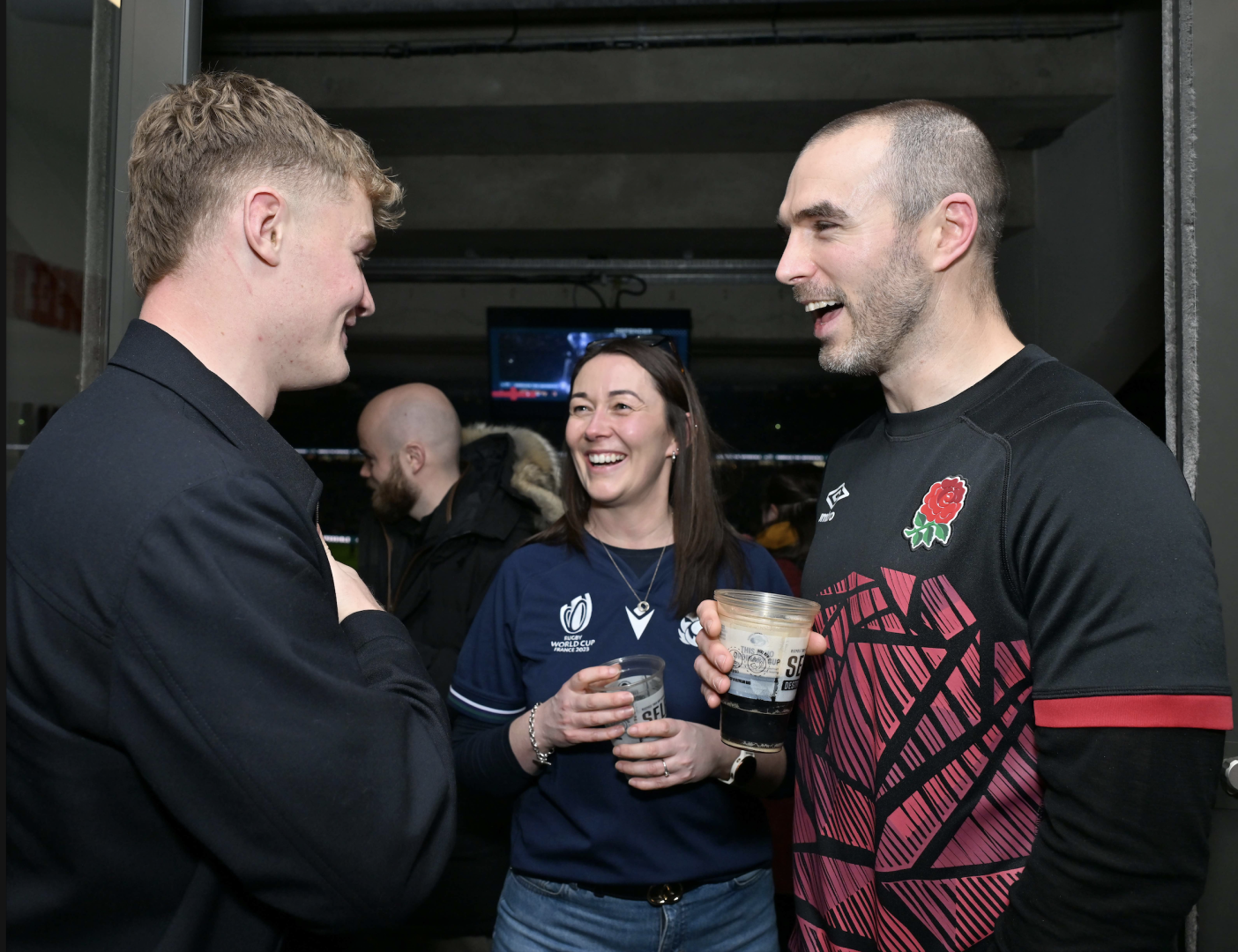
Mike is acutely aware of how different every individual’s story can be after sustaining a TBI, with others not as lucky as he has been.
“The way my injury presented, and where it was, was relatively fortuitous, but I’m very conscious not to put huge amounts of focus on that, as some people haven't had the same outcomes as me.
“I don't think it's because I did more, I think it’s just the cards you’re dealt in life. I've maximised my recovery as best as I can, but a lot of that is down to good fortune rather than anything specific I've done. I’m just grateful for that good fortune.”
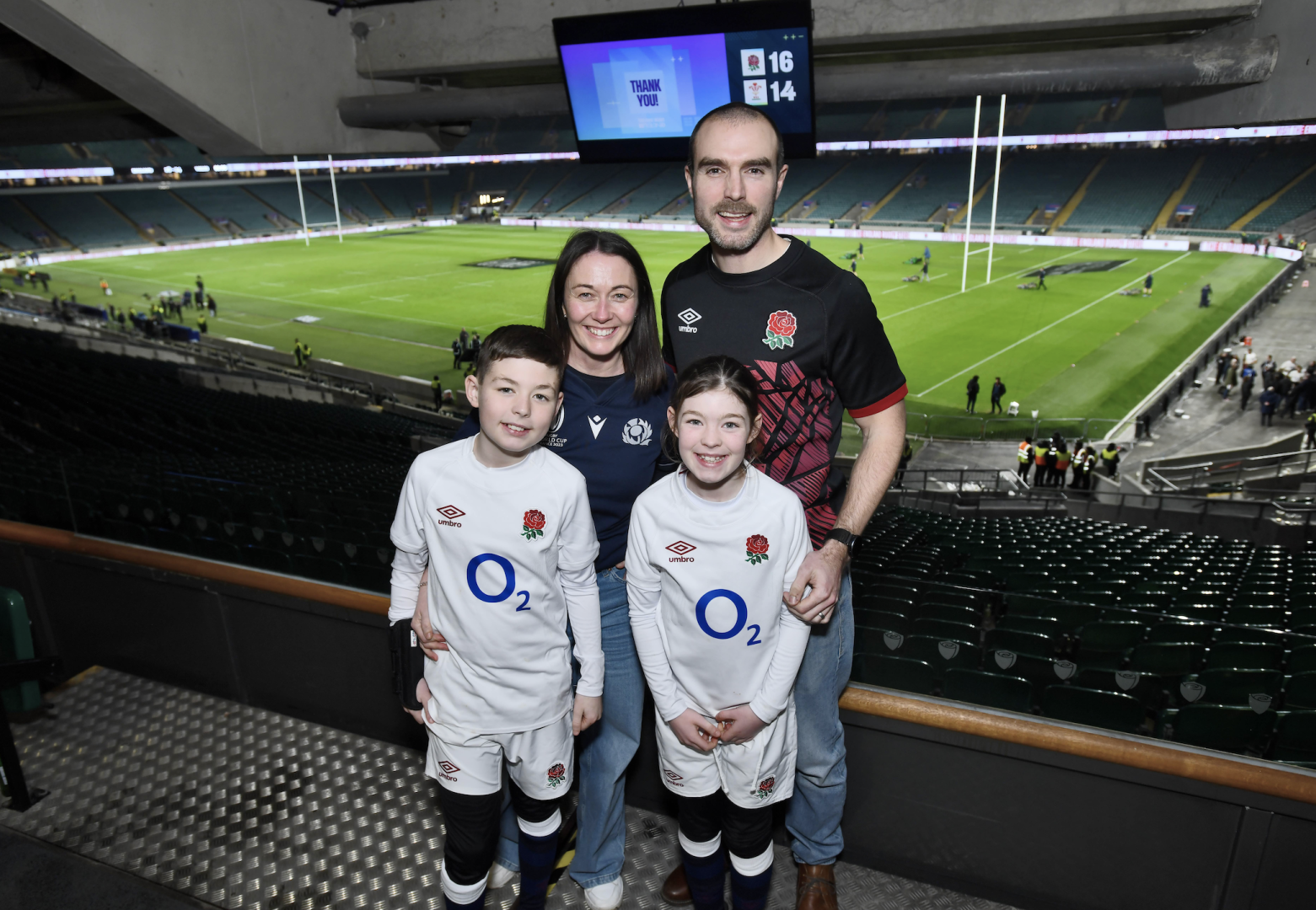
Mike has learned many things about traumatic brain injuries over the years from an individual’s perspective. However, during Action for Brain Injury Week, he is also keen for people to be aware of the impact it can have on family and friends.
“Certainly, early on, I would argue my family had it much harder than I did," he says.
“Even laying in the hospital, unable to move half my body, unable to swallow and struggling to speak properly, I still thought I was going to get better and walk home.
“I just didn’t process how severe it was. I think that’s part of a very heavy head impact. I was in another world at the time. It was only later that I appreciated the gravity of what had happened.
“Your family are the ones sitting there, looking at you, thinking what happens if you don't get better and if you don't improve? What does life look like?
“That’s scary when you have a young family. At the time, my son Sam was 10 and daughter, Megan, was seven. It was hard for them to process it, especially when I came home from hospital and was still unwell.
“It isn't one of you with the injury, it’s a group that suffers that injury, so it's a group of you that needs that support and recovery at the same time.
“Just being there, being present for people is so important. Even offering a shoulder to cry on, or a house to go to for a cup of tea to get away for a bit is important to help with processing.”
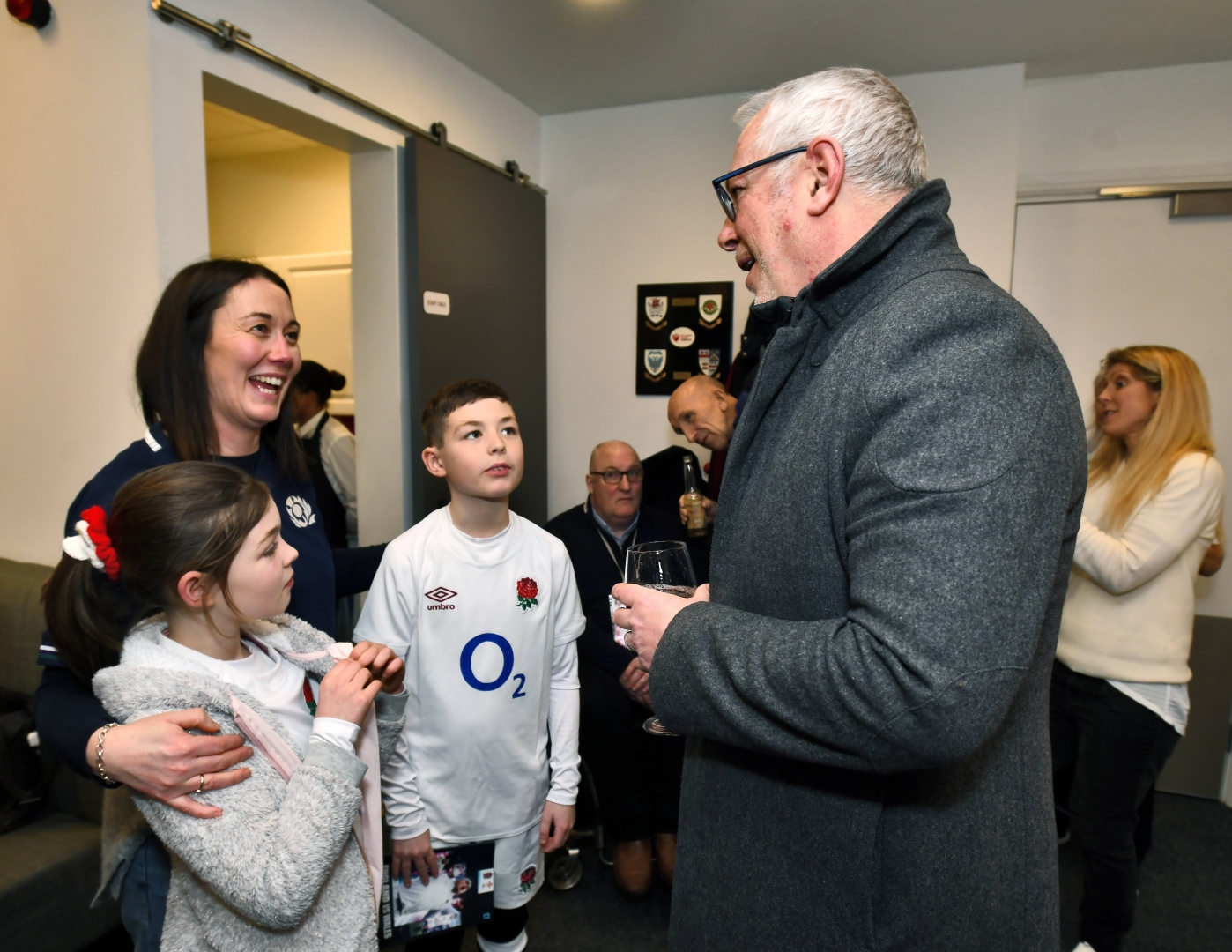
The invisible nature of TBI’s can also be challenging, both personally and with outside perceptions.
“About six weeks after my injury, I told my wife Louise that I thought it wouldn’t be long before I could go back to work,” Mike explains.
“My arm was working again, and I could walk independently, so I thought, surely, I could sit at a desk, type and do my job. I didn't appreciate anything beyond the physical at that time.
“People often say, ‘you look really good, you look fully recovered.’ Physically, yes, you do, but that doesn't mean you aren't struggling somewhere else. That can be something as simple as concentration or fatigue. After talking to someone for 45 minutes you need to go for a sleep.
“People don't necessarily understand and respect hidden injuries or disabilities in the same way. That’s not their fault - they just don't see it.”
Mike is now back in work full-time as an aerospace engineer and has also become a referee with Bristol Referees Society. Staying connected to the game gives him huge enjoyment, officiating men’s league games andhelping out with junior rugby when he can.
“I love being part of this community and it's helpful for me to know I can still be active and part of the rugby ecosystem.
“I love rugby even more now than I did before my injury. That’s down to the people I've met, the support I’ve received and some of the experiences I've had as part of the IPF family.
“One of my first outings, when I was fit enough, was to take my kids to their rugby training because I appreciated how important it was for them to carry on playing.
“I know from conversations with the IPF how rare an injury like mine is statistically. I also understand the benefits of being involved in a sport like rugby – the physical activity and friendships for life - far outweigh the miniscule risk of this sort of injury happening.”
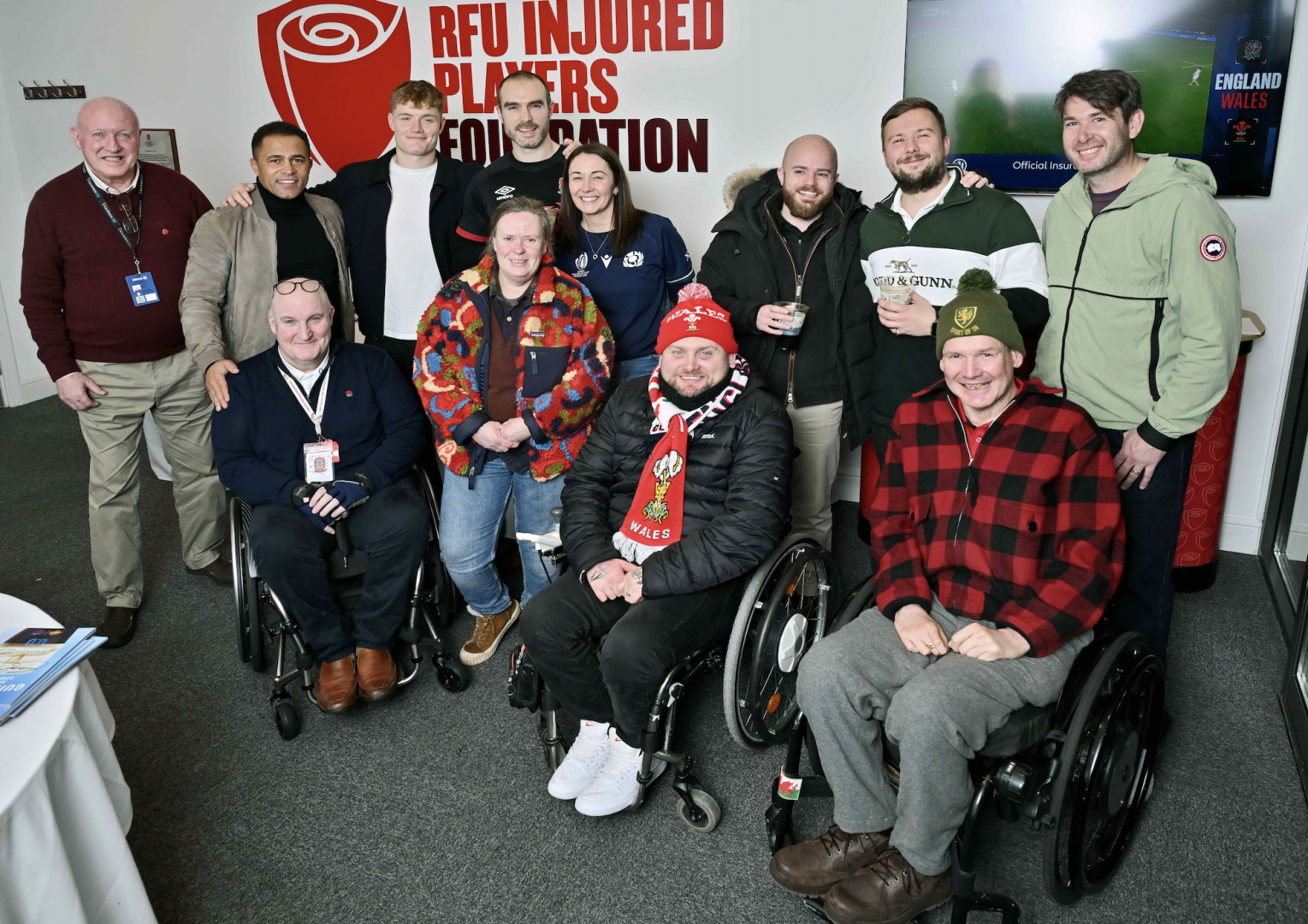
During Action for Brain Injury Week, while underlining how rare this type of injury is on a rugby pitch, Mike is keen to make teams aware of what to do and who to contact should the unthinkable happen.
“I hadn’t heard about the RFU Injured Players Foundation before my injury,” he explains. “I’d seen the voluntary donation box to tick when you buy international match tickets for Twickenham, but it didn't resonate as to what the IPF was about or who they were as a charity.
“Within hours of my injury we had phone-calls from the IPF team offering support with transport for my family to hospital, childcare and, if needed, financial support while I couldn’t work. I luckily had sick pay through my work, but if I’d been self-employed the charity would’ve helped.
“When the IPF visited me in hospital a few days later, I started to understand the full depth of the RFU Injured Players Foundation and how it can support injured players and their families.
“It puts a big arm around you to help you through those really difficult times and gives you that little bit of hope and something to look forward to. Also, having someone to talk to, who understands what you're going through is so important.
“It’s sad when you meet people through the Injured Players Foundation who didn't get that support straight after their injury, simply because they didn’t know the IPF existed and no one had completed the report form to alert the IPF to the injury.
“In some cases, they only found out about the IPF years later, by which time they’d missed out on such an important part of their injury journey. That’s why the Foundation is working hard to increase its profile among the rugby community.
“It’s so important to make people aware of the difference that sending one email or submitting one injury report form can make in a player’s life by triggering those connections.
“It means that players who are in my situation can receive support immediately, not just for themselves but also for their families during one of the most challenging periods of their lives.”